Disease Pressure Is Rising in Ohio: What Growers Should Be Watching This Summer
As we move into the heart of summer, disease pressure is beginning to increase across Ohio corn and soybean acres. Warm temperatures, humidity, frequent rainfall, and dense crop canopies create favorable conditions for many diseases to develop and spread.
Two diseases growers should be paying close attention to this season are Tar Spot in corn and Red Crown Rot in soybeans.

Tar Spot Remains a Major Concern
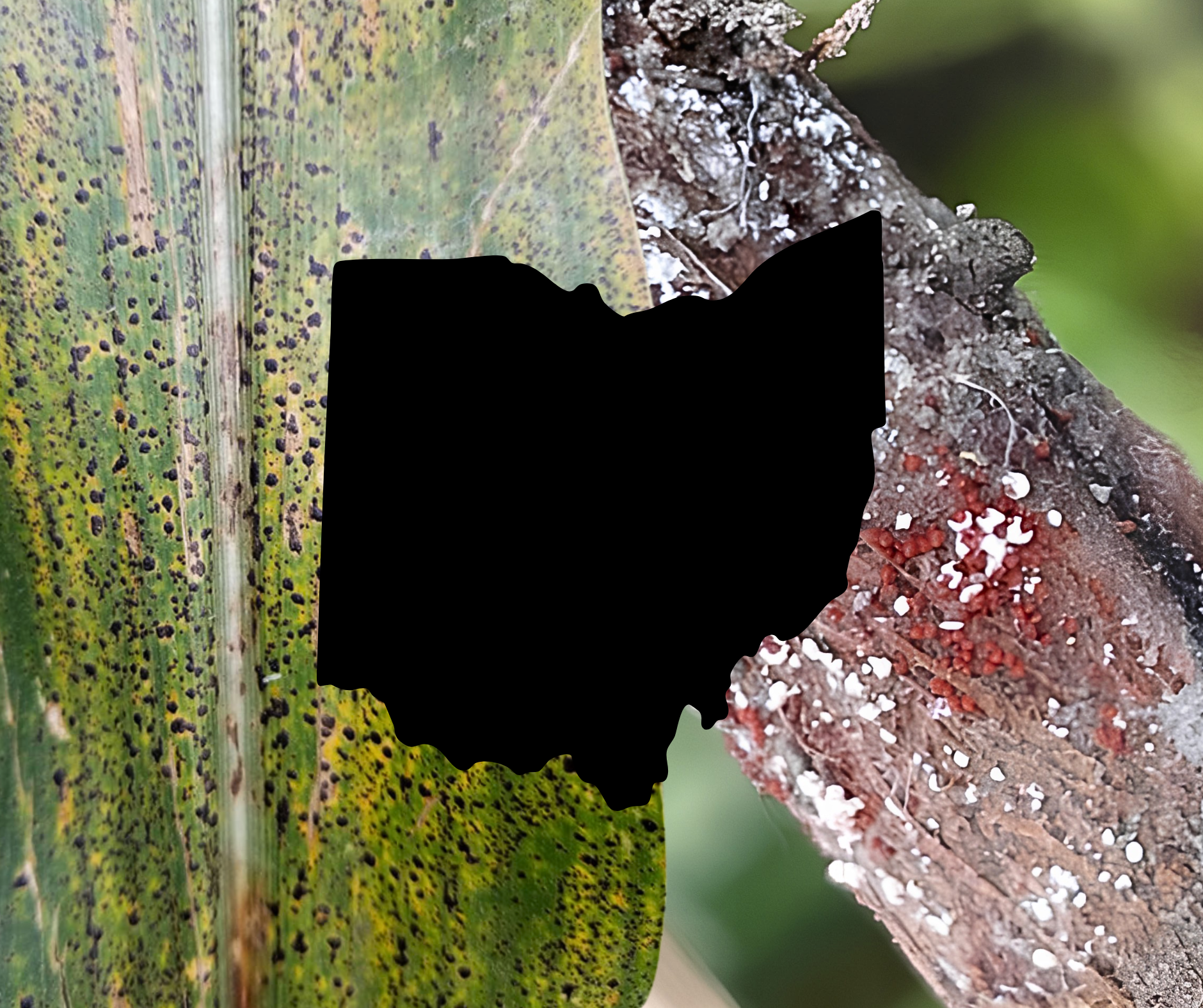
Tar Spot has become one of the most significant foliar diseases impacting corn throughout the Midwest. The disease appears as small, raised black spots on leaves and can spread rapidly under favorable conditions.
When infections reach the upper canopy during grain fill, photosynthetic activity can be reduced, impacting kernel development and yield potential. Fields with a history of Tar Spot or prolonged periods of moisture should be scouted closely as the season progresses.
Red Crown Rot Is Expanding Into Ohio
Red Crown Rot, once considered primarily a Southern soybean disease, continues to move northward and has now been identified in Ohio.
The soilborne disease attacks soybean roots and lower stems, often causing premature decline and yield loss. Because symptoms can resemble other issues, proper identification is important.
Beck’s recently shared a great overview of the disease, its spread, and management considerations.
Watch the video here:
https://youtu.be/VqlDgrGNlBY?si=izEbOBKV5gLG264D
Don’t Miss the Fungicide Window
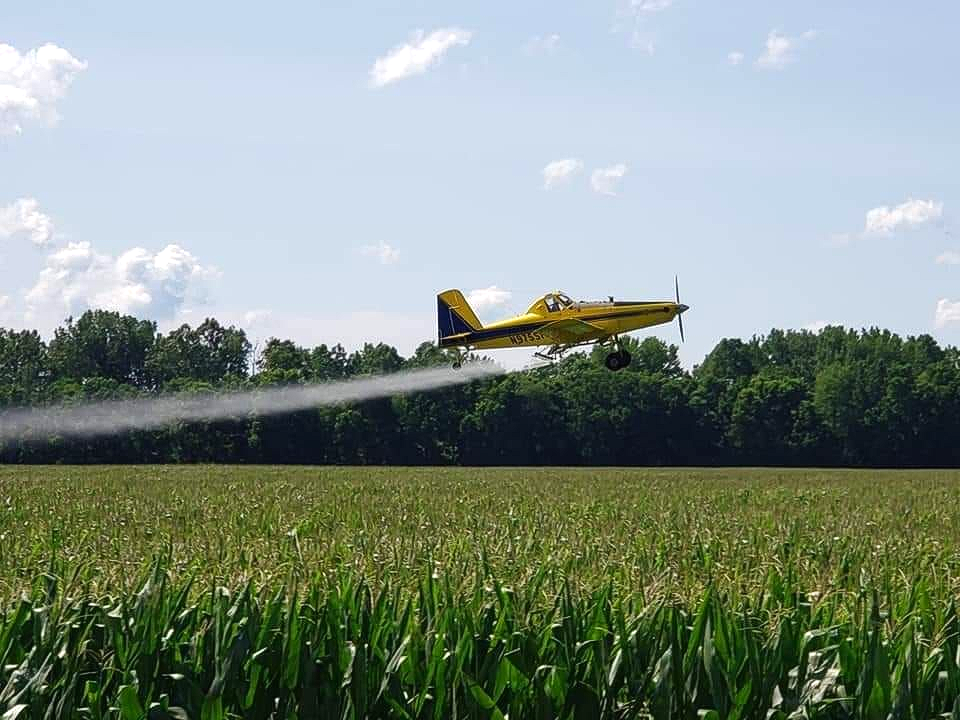
With disease pressure increasing, fungicide applications remain one of the best tools available to help protect yield potential.
A timely fungicide pass can help:
- Protect leaf area and photosynthetic capacity
- Reduce disease severity and spread
- Support grain fill and pod fill
- Maintain plant health during stressful conditions
Many growers are already planning fungicide applications during tassel timing in corn and reproductive stages in soybeans. These passes also create an opportunity to include foliar nutrition products that support crop performance during critical growth stages.
Optimize Every Fungicide Pass
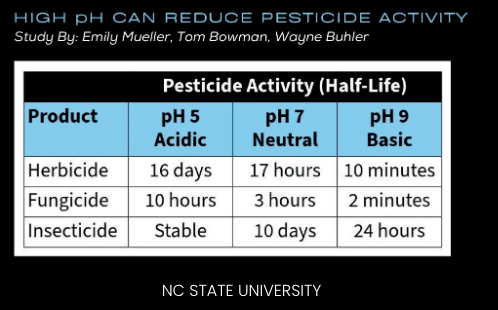
Fungicide timing matters—but so does the environment your products are applied in. High-pH spray water can cause certain fungicides to degrade more quickly, reducing their effectiveness before they ever reach the crop.
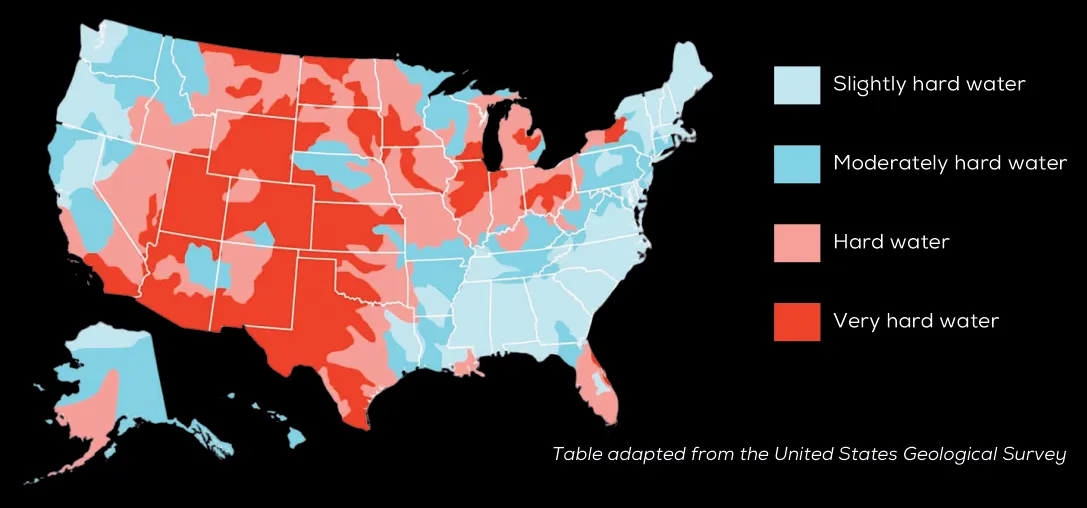
Across much of the Midwest—including Ohio—hard water is common. Hard water and high spray water pH can reduce the effectiveness of certain fungicides, causing some active ingredients to begin breaking down before they ever reach the plant.
That’s why every tank should start with Nuvano Pure. By lowering spray water pH into the optimal range, Nuvano Pure creates the right environment for your fungicide and foliar products to perform as intended.
Once your water is conditioned, pair your fungicide application with NanoPro and NanoN to improve nutrient efficiency and get more from every pass. When you’re making one of the most important applications of the season, every part of the tank mix should be working for you—not against you.
Did you know? Much of Ohio falls within hard or very hard pH regions, making water quality an important consideration for growers trying to optimize their fungicide applications.


Stay Proactive
The best disease management strategy is often prevention. Regular scouting, water testing, monitoring disease forecasts, and making timely fungicide applications can help protect your crop before disease pressure becomes a yield-limiting factor.
If you have questions about disease management, fungicide timing, or foliar nutrition programs, contact New Horizon Ag Solutions today. We’re here to help you protect yield potential all season long.
Send Us A Message